
If some rooms in your home feel chilly while others are far too hot, it’s a clear sign your radiators may need balancing. Proper radiator balancing ensures heat is evenly distributed throughout your home, making every room more comfortable. This not only improves your heating system’s efficiency, helping your boiler work smarter and use less energy, but it also reduces annoying noises in your pipes caused by uneven water flow. Balancing your radiators can lower your heating bills and extend the life of your boiler, creating a warmer, quieter home all winter long.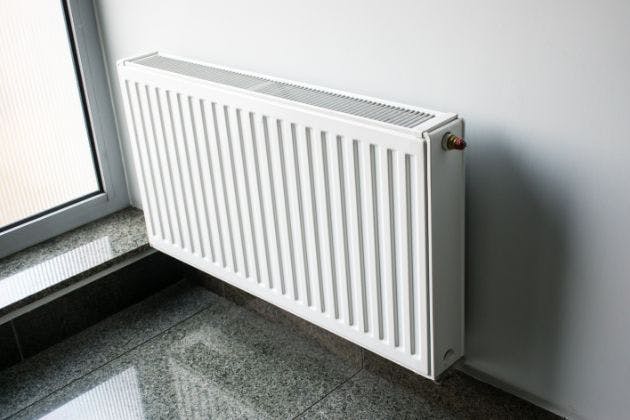
What radiator balancing actually means
Balancing is the process of adjusting how much hot water flows through each radiator so they all heat up at roughly the same rate. The goal is to stop the first radiators on the system from stealing most of the heat.
You do this by using the lockshield valves, not the thermostat heads. By slightly restricting the flow to the closest radiators, more hot water is pushed towards those further away, which helps even everything out.
In older York terraces and period properties, pipe runs are often long, and layouts have been altered during renovations. That makes proper balancing even more important, as extended or rerouted pipes can leave some rooms permanently cooler.
Signs your radiators need balancing
Before you start adjusting anything, it helps to be sure that balancing is actually the issue. Several common symptoms point in that direction.
Some radiators get hot quickly, while others lag behind or stay lukewarm
Bedrooms or distant rooms are cold even when the heating has been on for a while
Noisy pipes, rushing water sounds or radiators that feel patchy across their surface
Boiler running longer than expected for the house to feel warm
If your radiators are cold at the bottom but hot at the top, that is usually air or sludge rather than a balancing issue. Bleeding or cleaning the system is often needed before balancing will work properly.
Preparation: get your system ready
Good preparation makes balancing safer and less frustrating. Plan to do this when you have a couple of hours free, and the heating can be turned off without bothering anyone.
First, turn your heating off at the programmer or thermostat and allow the system to cool completely. This usually takes at least an hour and is important to avoid burns when you are working near hot pipework.
While the system cools, bleed all radiators so there is no trapped air that could affect your readings. Then make sure every radiator valve is fully open, including both the thermostatic radiator valve (TRV) and the lockshield on the other end.
Step-by-step radiator balancing process
1. Identify the radiator order from the boiler
Turn the heating back on and set the room thermostat high so the boiler runs continuously for a while. Note which radiator heats up first, then the next, and so on. The ones that get hot fastest are usually closest to the boiler.
Write down the order in a list. This becomes your working plan: you will slightly restrict the hotter, closer radiators to help push more heat towards the slower, further ones.
2. Find and mark the lockshield valves
The lockshield valve is usually on the opposite side to the TRV and often has a plastic cap without numbers, or a small square spindle that needs an adjustable spanner.
Before touching anything, mark the starting position. You can count how many turns it takes to close the valve, then reopen it to the same point, or make a small mark on the top with a felt-tip so you know where you began.
3. Measure radiator temperatures in a simple way
You do not need specialist tools to get a feel for radiator temperatures. A basic digital thermometer with a surface or infrared setting is ideal, but you can use careful touch as a guide.
Check each radiator about 10 to 15 minutes after the heating has been running. You are aiming for all radiators to reach a similar level of heat at roughly the same time, not an exact number.
With the back of your hand, gently feel about halfway up each radiator. If one is much hotter than the others or heats up noticeably earlier, it will usually need its lockshield tightening slightly to reduce flow.
4. Make small, gradual adjustments
Small adjustments mean turning the lockshield by around an eighth to a quarter of a turn at a time. Anything more can easily swing the balance too far the other way.
Start with the radiator closest to the boiler. Slightly close its lockshield, then move to the next, and so on, working through the list you made. Leave the coldest, furthest radiators more open to allow greater flow.
After each round of small adjustments, wait 10 to 15 minutes for the system to settle, then re-check by touch or thermometer. You may need a few rounds of fine-tuning until all radiators warm up more evenly.
Common balancing mistakes to avoid
It is easy to undo your hard work with a few simple errors. Keeping these in mind will save time and reduce the risk of problems.
Adjusting TRVs instead of lockshields, which changes room temperature settings rather than system balance
Over-tightening lockshields, which can almost shut a radiator off instead of gently reducing flow
Changing lots of valves at once, making it impossible to see which adjustment caused what effect
Forgetting to note starting positions leaves you no easy way back if things get worse
Trying to balance a system with sludge present, which causes cold bottoms or completely blocked radiators
If you suspect sludge or black, dirty water when you bleed a radiator, balancing alone will not solve the problem. In those cases, a professional powerflush or other cleaning method should come first.
When to call a heating professional
Balancing is a reasonably safe task for confident homeowners, as long as the system is cool and you take your time. However, there are situations where expert help is more sensible.
In older York terraces and period homes, it is common to find a mix of pipe sizes, loft conversions added later, and radiators moved during kitchen or bathroom renovations. These changes can make the system tricky to balance without experience and proper testing equipment.
If you have tried careful adjustments and still have stubborn cold spots, or if several radiators never get properly hot, the underlying issue may be sludge, incorrect pipework or a failing pump. That is when professional assessment becomes cost-effective.
Next steps for a warmer, more efficient home
Taking the time to balance your radiators can dramatically improve comfort and help your boiler run more efficiently. For many homes, especially after new radiators or renovations, it is a worthwhile bit of maintenance.
If you are in the York area and would like a professional heating health check, Armstrong Plumbing and Heating can assess your system, balance your radiators and advise on any upgrades. To book an appointment, call 01904373075.
For systems with persistent cold spots or signs of sludge, ask Armstrong Plumbing and Heating about powerflushing and system cleaning options. Combining a thorough clean with proper balancing is often the best way to get older York properties feeling evenly warm again.