If a radiator is not heating up properly, it’s often due to a simple issue that you can fix yourself. However, it can sometimes signal a more serious problem within your heating system. By carrying out a few safe, straightforward checks, you can usually identify the cause and decide whether it’s something you can handle or if it’s best to call a Gas Safe registered engineer. These checks help you avoid unnecessary costs and keep your home warm and comfortable.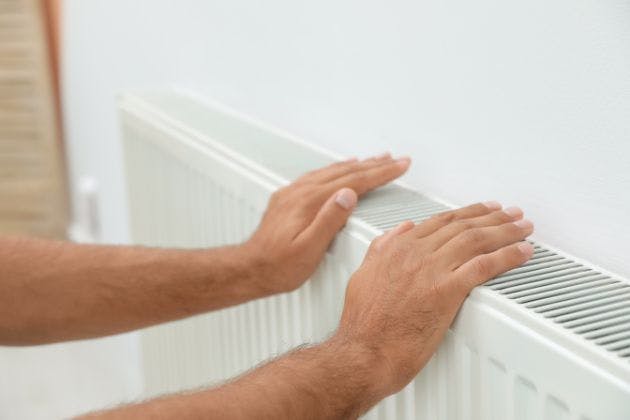
Safety-first checks before you touch anything
Before you start, always put safety first. Never remove the boiler case, never touch internal boiler parts and do not attempt gas work yourself. Those jobs are for a qualified Gas Safe engineer only.
Instead, focus on simple, external checks that do not involve working on gas or electrics. If you are ever unsure, stop and book a professional to take a look.
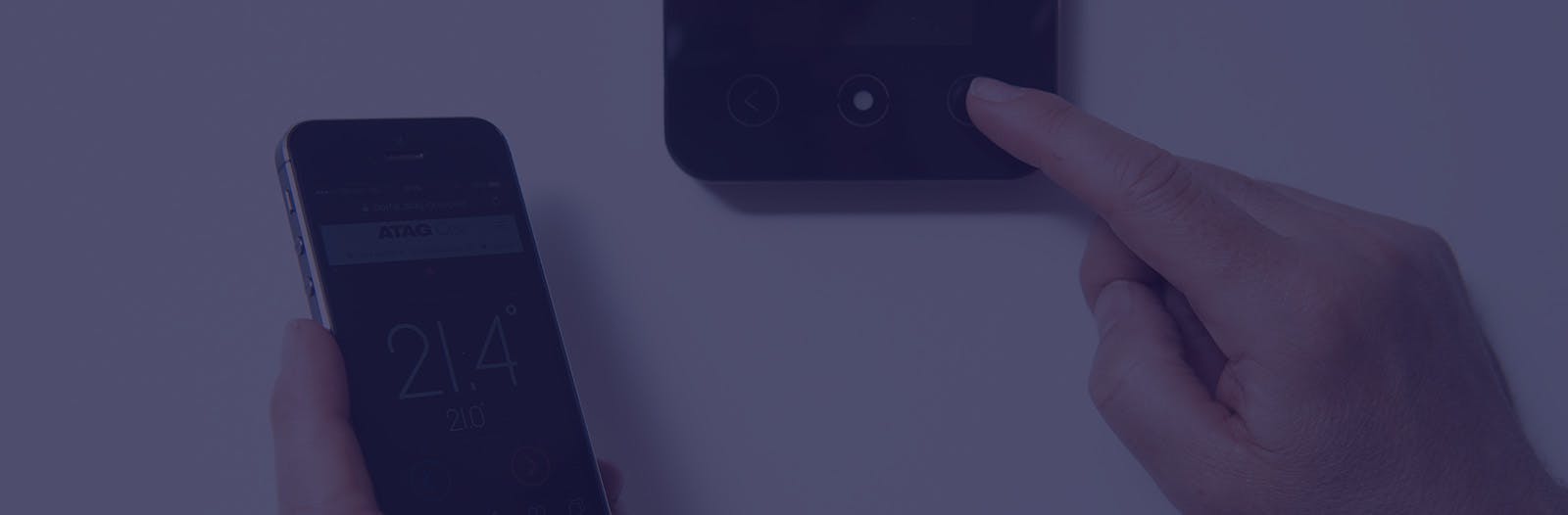
Check controls: Room thermostat on and turned up, programmer/timer set to heating, not hot water only.
Check boiler display: Is the boiler on, showing no fault codes and not locked out?
Check pressure (sealed systems): For combi and most system boilers, look at the pressure gauge with the heating off and system cool. Many systems sit around 1.0–1.5 bar when cold, but always check your manual for the recommended range.
Check radiator valves: Ensure thermostatic radiator valves (TRVs) and manual valves are fully open on radiators that should be heating.
If the boiler is displaying a fault code, the pressure is clearly out of the recommended range or you hear loud banging or kettling sounds, turn the system off and call an engineer.
One radiator cold: top, bottom or middle
Radiator cold at the top, warm at the bottom
This usually points to trapped air. Air gathers in the top of the radiator and stops hot water circulating properly.
You can normally deal with this by bleeding the radiator. Use a proper radiator key, protect the carpet with a towel and keep a cloth handy. Open the bleed valve slowly until air hisses out, then close it as soon as water flows steadily.
After bleeding, recheck your boiler pressure. If it has dropped below the recommended range in the manual, you will usually need an engineer to investigate. If the same radiator fills with air again within 24–48 hours, that is also a sign you should book a professional to look for underlying issues.
Radiator cold at the bottom, warm at the top
Cold patches at the bottom usually mean sludge or debris has settled in the radiator. This sludge acts like a blanket and stops hot water circulating properly.
A light build up can sometimes be improved by closing other radiators to encourage flow through the problem radiator, but significant sludge normally needs a professional fix such as powerflushing or targeted cleaning.
If multiple radiators have cold bottoms or obvious cold spots across the middle, it is time to speak to a heating engineer about cleaning the system and adding inhibitor to slow future sludge build up.
One radiator stone cold while others are hot
If one radiator stays cold while the rest of the system works normally, start with the simple, safe checks. Make sure the TRV is turned up and the other valve on the opposite end (often the lockshield) is actually open.
Sometimes the TRV pin sticks in the closed position, especially after summer. With the heating off and the radiator cool, you can carefully remove the TRV head (usually a simple collar) to expose the small metal pin. Gently press it up and down with something blunt. If it springs freely, refit the head and test. If it is seized solid, or you are not confident, call an engineer.
If both valves are open, the pin moves freely and the radiator is still not warming, the lockshield valve may need adjusting or the system may need balancing, which is best carried out by a professional.
Radiators cold upstairs or downstairs
When all the radiators on one floor are cold, the issue is rarely with the radiators themselves. It is more likely linked to how your system is piped or controlled.
On some heating systems, upstairs and downstairs are on different zones controlled by motorised valves (zone valves). If a zone valve sticks closed or a wiring or control fault occurs, every radiator on that zone can go cold together.
You can safely check your programmer or smart thermostat schedules and settings to confirm that both zones are actually calling for heat. If settings are correct, but an entire floor remains cold, avoid touching valves or wiring and contact a Gas Safe heating engineer.
Radiators warm, but never properly hot
If every radiator is lukewarm even when the system has been on for a while, it can point to a few different issues. One of the most common is incorrect settings on your controls or boiler.
First, check that your room thermostat is not set too low, especially in cooler weather. Then, if your boiler has separate flow temperature controls for heating, make sure these are not turned right down. Always stay within the manufacturer’s recommended ranges.
A weak or incorrectly set pump can also cause radiators to feel only warm, as can a system that is badly balanced or heavily sludged. These checks involve electrical and hydraulic work, so they are firmly in engineer territory.
One room that never seems to heat up
A single stubbornly cold room can be caused by poor insulation, but the heating system setup often plays a part. If radiators in that room are cooler than those nearer the boiler, the system may be out of balance.
Balancing is the process of adjusting lockshield valves so that the correct amount of hot water reaches each radiator. Radiators close to the boiler are throttled back slightly so those further away still receive good flow.
A competent DIYer can balance a system with patience, but it is easy to get wrong. If a room has always struggled to heat up, speak to an engineer about balancing, pipe layout and radiator sizing so the room heats more evenly and efficiently.
Simple decision guide: when to call an engineer
You can use a simple rule of thumb to decide what to do next:
If one radiator is cold at the top and you have not bled it recently, you can try bleeding it once and recheck the pressure. If the problem returns within 48 hours, call an engineer.
If you see widespread cold spots, several radiators cold at the bottom, black sludge when you bleed a radiator or very slow heating, book a professional to investigate for sludge, pump issues or system imbalance.
If a whole floor is cold, or the boiler shows faults, low pressure outside the recommended range or repeatedly cuts out, avoid DIY fixes and arrange a diagnostic visit.
Keeping radiators heating properly in future
Prevention keeps your system efficient and reduces the risk of cold radiators on the coldest days. Regular maintenance also helps catch small issues before they become breakdowns.
Annual boiler servicing by a Gas Safe engineer keeps your combi or system boiler running safely and checks that the pump, pressure and controls are behaving as they should. It is also a good time to review radiator performance and discuss any rooms that are slow to heat.
A corrosion inhibitor should be present in the system water to slow rust and sludge build up. Many modern systems also benefit from a magnetic filter on the pipework returning to the boiler, which traps debris before it can damage components.
Periodic radiator balancing helps keep heat distribution even, especially after changes such as adding or removing radiators. Where there is heavy sludge, poor circulation or repeated cold spots, a professional powerflushing service may be recommended to clean the system, followed by fresh inhibitor and, ideally, a magnetic filter.
Need professional help with cold radiators?
If your radiators are still not heating up properly, or you are not comfortable carrying out the basic checks above, it is sensible to get expert help. A structured diagnostic visit can save time, money and a lot of frustration.
Armstrong Plumbing and Heating provide heating system diagnostics, boiler repair, powerflushing and complete heating services across York, Tadcaster and Wetherby.
For safe, professional help with radiators not heating up, call Armstrong Plumbing and Heating on 01904373075 and arrange a convenient appointment.