When your boiler displays a fault code, it is communicating that something is not operating as expected. The code may relate to pressure, a sensor, ignition, water circulation or condensate drainage, and it is designed to help identify the problem rather than provide a complete diagnosis.
Some basic checks are safe for homeowners, but boiler faults should never be ignored if there is a gas smell, a carbon monoxide concern, a water leak or repeated shutdowns. Knowing when to stop troubleshooting can help protect your household and prevent a minor fault from becoming a larger repair.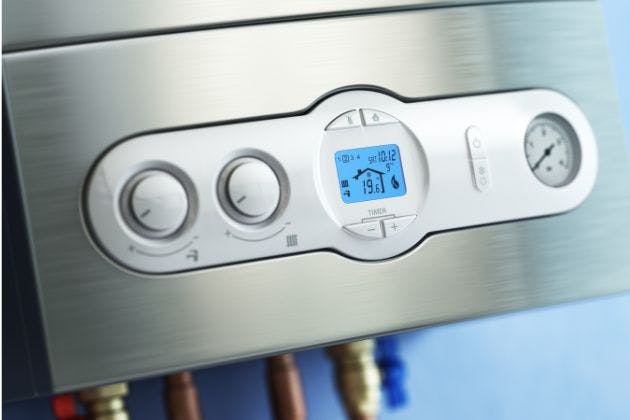
What causes boiler fault codes?
Modern boilers use sensors and electronic controls to monitor temperature, water pressure, flame performance and the movement of water around the heating system. If readings fall outside the expected range, the boiler may shut down and show a fault code as a safety measure.
A code does not always identify one failed component. For example, a circulation-related warning could be caused by trapped air, a pump problem, a blockage or another issue affecting water flow. An engineer may need to test the system before confirming the cause.
Safe checks you can make
Start by looking at the pressure gauge or display, if your boiler has one. Many sealed central heating systems operate at around 1 to 1.5 bar when cold, but you should follow the pressure range stated in your boiler manual. A very low reading may explain a pressure fault, while unusually high pressure or a gauge that keeps rising needs professional attention.
Check that the room thermostat is set above the current room temperature and that the boiler has power. If the manufacturer’s instructions allow a reset, use the reset control exactly as described. Do not repeatedly reset the boiler, remove its casing or attempt to repair internal parts.
Read the displayed code and write it down before resetting anything.
Check the pressure against the range in the manufacturer’s manual.
Confirm the thermostat, timer and electrical supply are switched on.
Look for visible water around the boiler, radiators and exposed pipework.
If the code returns after one manufacturer-approved reset, or the boiler will not restart, stop troubleshooting and arrange an inspection. Never alter gas settings or work on internal boiler components yourself.
Common boiler fault code themes
Low pressure
Low pressure codes commonly appear when water has been lost from the heating system. You may notice cold radiators, reduced heating performance or a pressure gauge below the recommended range. A small drop can sometimes follow radiator bleeding, but repeated pressure loss may indicate a leak, a faulty safety valve or another system problem.
Flame and ignition faults
Ignition codes can mean the boiler has failed to light or has lost its flame. Possible causes include an interruption to the gas supply, an ignition component fault or a problem with flame detection. Check whether other gas appliances are working only if you can do so safely, and do not attempt to relight or repair the boiler beyond the instructions in its manual.
Circulation and pump issues
Circulation faults occur when heated water is not moving correctly through the system. Radiators may remain cold, the boiler may overheat and shut down, or you may hear unusual humming or rattling. These symptoms can involve the pump, air in the system, a blockage or a sensor, so an engineer should investigate persistent faults.
Condensate problems
Condensing boilers produce water that drains through a condensate pipe. In cold weather, an external section can freeze and cause the boiler to shut down. Only follow the manufacturer’s guidance for safely thawing an accessible pipe, and never use boiling water. If the pipe is damaged, leaking or inaccessible, call a qualified engineer.
When to stop troubleshooting
Some situations require immediate action rather than further checks. If you smell gas, turn off the gas supply at the meter if it is safe to do so, avoid flames and electrical switches, leave the property and contact the appropriate emergency gas service. Do not use the boiler again until it has been checked.
If a carbon monoxide alarm sounds, leave the property immediately and seek emergency assistance. You should also stop using the boiler and call a Gas Safe registered engineer if there is a water leak, scorching, unusual fumes, repeated ignition failure, damaged wiring or a fault that keeps returning.
Information to give your engineer
Useful details can help an engineer prepare for the visit and assess whether the boiler needs urgent attention. Take a clear photograph of the display if it is safe, and note what happened just before the fault appeared.
The exact fault code or message shown.
The boiler make, model and approximate age.
Symptoms such as cold radiators, noise, loss of hot water or repeated shutdowns.
Any recent pressure drops, resets or heating system work.
Details of visible leaks, unusual smells or a carbon monoxide alarm.
Book professional boiler fault diagnosis
Fault codes are useful warning signals, but they cannot replace proper testing. If a simple, manual-approved check has not cleared the issue, or you have any safety concern, contact Armstrong Plumbing and Heating for reliable diagnostics and boiler repair advice.
You can visit the boiler repair page to learn more about available help, or use the contact page to arrange a booking. You can also call Armstrong Plumbing and Heating on 01904373075. A prompt inspection can restore your heating safely and help prevent a recurring boiler fault.