Choosing between a system boiler and a combi boiler can feel confusing, especially when all you want is reliable heating and a steady supply of hot water. The right choice depends on several factors, including the size and layout of your home, the number of people in your household, and your daily hot water usage habits. For example, if you have multiple bathrooms or often run showers simultaneously, a system boiler might better meet your needs.
On the other hand, smaller homes or flats with limited space and lower hot water demand might benefit more from the compact design of a combi boiler. Understanding how your family uses hot water throughout the day will help you choose a boiler that delivers efficiency, comfort, and convenience.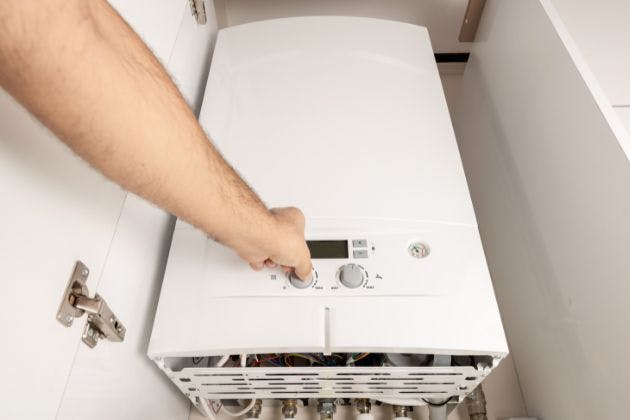
Combi, system and regular boilers explained
A combi (combination) boiler heats water directly from the mains when you turn on a tap. There is no separate hot water cylinder, so you save space and only heat the water you use.
A system boiler works with a separate hot water cylinder, usually in an airing cupboard. It takes water direct from the mains, heats it, and stores it ready for use, which is helpful for homes with higher hot water demand.
A regular (heat only) boiler uses a cylinder and also a cold water tank, often in the loft. These systems are common in older properties and can work well where water pressure is poor or the pipework is designed around tanks.
Small flats & houses: combi often suits best
Family homes with 2+ bathrooms: system boiler is usually better
Very old or low-pressure systems: regular boiler may still be appropriate
Homes around York often vary from older terraces to newer estates, so it is normal for neighbours to have different boiler types that suit their specific layout and pipework.
Quick comparison: system boiler vs combi
Use this featured-snippet style overview as a starting point before looking at the detail below.
Feature Combi boiler System boiler Best for Smaller homes, 1 bathroom Larger homes, 2+ bathrooms Hot water Instant, no cylinder Stored in cylinder, good for multiple outlets Space needed Least space, no loft tanks Needs cupboard for cylinder Water pressure Relies on strong mains pressure Still relies on mains, but cylinder helps with volume Running two showers Can struggle in many homes Designed to cope better Suitability for extensions May need upgrade later Scales more easily
Key factors when choosing between system and combi
Number of bathrooms and hot water demand
If you have one bathroom and rarely run more than one hot tap at once, a combi can be very efficient. It only heats water when you need it, so there is no standing heat loss from a cylinder.
For two or more bathrooms, particularly if showers are often used at the same time, a system boiler with a well-sized cylinder usually performs better. The stored hot water means multiple outlets can be used without such a big drop in flow rate.
Mains water pressure and flow rate
Both combi and system boilers that take water direct from the mains rely on decent incoming pressure and flow. Before making a decision, a heating engineer should measure your cold tap flow rate and static pressure.
If your mains pressure is low, a powerful combi will not magically fix it. In some cases, a system with a suitable cylinder, booster, or keeping a regular boiler may be more appropriate than forcing a combi to work with poor supply.
Space in the loft and airing cupboard
Combi boilers are popular because they free up space. There is no hot water cylinder, no loft tanks, and often no need for a dedicated airing cupboard. This can be ideal in smaller properties or when you want extra storage.
System boilers need a cylinder, so you must allow for that cupboard space. On the other hand, that cylinder can double up as an airing cupboard and can work with solar thermal in future, which some households see as a plus.
Running multiple showers and future extensions
Think about your home not just now, but over the next 5 to 10 years. If there is any chance you will add an en suite, loft conversion, or extra bathroom, it is safer to plan for higher demand.
Combis can supply one generous shower well, but many struggle with two showers at once. A correctly specified system boiler and cylinder are usually more comfortable if you expect several people to shower around the same time each day.
When a combi can struggle
Combi boilers are very popular, but they are not the best fit for every home. Certain warning signs suggest that a combi might not keep up with your needs.
Two or more regular showers running together
Large families who all shower within a short time
Very long pipe runs to loft or attic bathrooms
Poor mains pressure or noticeably weak cold taps
In these situations, a system boiler is often more suitable. You can heat a full cylinder before peak times, so everyone gets decent hot water without the flow dropping to a trickle.
Reliability, maintenance and annual servicing
Both combi and system boilers are reliable when installed and maintained correctly. Neither type is automatically more likely to fail, but combis are more complex inside a single unit, while system setups spread components out between boiler, cylinder and controls.
Whichever you choose, annual servicing is essential both for safety and for keeping warranties valid. A typical service includes:
Visual inspection of the boiler and flue, checking for signs of leaks, corrosion or poor ventilation. The engineer will also check gas pressures, combustion with a flue gas analyser, and clean or adjust key components as needed.
Controls, safety devices and seals are tested, and the system pressure is set correctly. On system and regular boilers, the cylinder and any external expansion vessels or pumps may also be checked to make sure the hot water side is performing properly.
System boiler vs combi: which is better for your home?
There is no single “best” boiler type for every property. Instead, the best choice is the one that comfortably meets your demand without wasting energy or space.
A combi boiler is often better if: you have a smaller home, one bathroom, good mains pressure, and you value space saving and simplicity. You want instant hot water and do not often run taps or showers at the same time.
A system boiler is often better if: you have a larger home, two or more bathrooms, or a growing family. You want strong performance for multiple outlets, space for a cylinder is available, and you may extend the property in future.
Simple checklist before you request a survey
Before speaking to a heating engineer, run through this short checklist to clarify what you need:
How many bathrooms and separate showers do we have, and are any used at the same time? What is the cold tap pressure and flow like at the kitchen sink and upstairs? Do we have or want an airing cupboard, and is loft space easy to access?
Are we planning an extension, loft conversion or extra bathroom within the boiler’s lifetime? Are we interested in future upgrades such as solar hot water or a heat pump-ready system? Having these answers ready makes it far easier for an engineer to recommend the right boiler.
Get tailored boiler advice for your home
Every home is different, and the best way to decide between a system boiler and a combi is with a proper survey and heat loss assessment. An experienced installer can weigh up your property, hot water usage and future plans before recommending the most suitable option.
If you would like clear, practical advice and a professional installation, contact Armstrong Plumbing and Heating on 01904373075. You can also visit their boiler installation and boiler replacement pages to learn more about upgrading your heating system.