
A pressure relief valve discharge pipe dripping outside your home can be worrying, particularly if you are unsure whether it is a normal part of boiler operation. A small amount of water may escape after a temporary pressure spike, but continuous dripping usually indicates a problem that needs attention.
Understanding the valve, checking your boiler pressure safely and knowing when to call a professional can help prevent further damage and keep your heating system operating safely.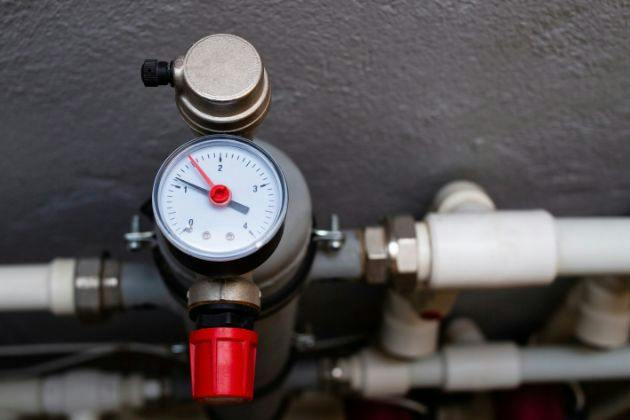
What the pressure relief valve does
The pressure relief valve, often shortened to PRV, is a safety component inside a sealed central heating system. It is designed to open and release water if the pressure becomes dangerously high, helping protect the boiler, radiators and pipework from damage.
The discharge pipe is connected to the PRV and normally runs through an external wall, ending outside the property. If water is coming from this pipe, the valve has either opened to reduce pressure or is no longer sealing correctly.
When a small drip may be acceptable
A brief drip can happen after a pressure spike, such as when the heating has been running and the water inside the system expands. It may also occur if the boiler has recently been repressurised or if the system pressure briefly rose above the valve’s operating point.
Once the pressure returns to a safe level, the discharge should stop. A single short release does not always mean the PRV has failed, although the pressure should still be checked and monitored over the following day or two.
Signs that there is a fault
Ongoing dripping, a steady flow of water or regular drops from the discharge pipe indicate that further investigation is needed. If the boiler pressure keeps rising, falls repeatedly or requires frequent topping up, there is likely to be an underlying issue rather than a harmless release.
Continuous dripping or water running from the external pipe
Boiler pressure rising into the red section of the gauge
Pressure dropping again after the system is topped up
Needing to refill the heating system frequently
Common causes of a dripping discharge pipe
A faulty PRV is one possible cause. The valve may have opened during a high-pressure event and failed to close fully afterwards, or its internal seal may have become worn.
The expansion vessel is another common source of trouble. This component allows heated water to expand safely, but if it loses its air charge, system pressure can rise sharply whenever the boiler heats the water. The PRV then opens to release the excess pressure.
A filling loop left open can continuously add water to the heating system. This gradually increases pressure and may cause the discharge pipe to drip. An overfilled system can produce a similar result, while dirt or debris caught on the valve seat can prevent the PRV from sealing properly.
Safe checks you can make at home
Start by checking the boiler pressure gauge when the system is completely cold, ideally before the heating has run. Many systems sit around 1 to 1.5 bar when cold, but you should check your boiler manufacturer’s instructions because the recommended range can vary.
Then observe the gauge after the heating has been operating. A modest increase is expected, but a significant rise towards the red zone suggests a pressure control problem. Do not repeatedly add water simply to stop a low-pressure warning, as this can mask the original fault and add more water to an already problematic system.
Check that the filling loop valves are fully closed. The filling loop is usually a short, flexible braided hose beneath the boiler or nearby pipework, although its position differs between installations. You can also look for visible leaks around radiators, valves and accessible pipework, but do not remove the boiler casing or attempt to repair internal components.
What to tell your engineer
Useful information can help an engineer diagnose the fault more quickly. Before making contact, note what the pressure gauge reads when cold and after the heating has been on, and record how often water is coming from the discharge pipe.
Whether the dripping is occasional, continuous or a steady flow
The boiler pressure when cold and when hot
How often you have needed to use the filling loop
Any fault codes, unusual noises or recent heating repairs
Do not cap the discharge pipe
Never cap, block or redirect the discharge pipe to hide the dripping. It is a safety outlet, and restricting it could stop the PRV releasing pressure when it needs to, creating a serious risk to the boiler and heating system.
If the pipe continues to drip, the pressure rises, or you are unsure about any check, switch off the heating if safe to do so and arrange an inspection by a Gas Safe engineer. Internal repairs, PRV replacement and expansion vessel work should be carried out by a suitably qualified professional.
Arrange boiler help with Armstrong
Armstrong Plumbing and Heating can investigate a dripping pressure relief valve, diagnose pressure problems and advise on the most suitable repair. You can find out more about boiler repair or arrange preventative care through the boiler servicing service page.
For practical advice and professional diagnostics, contact Armstrong Plumbing and Heating on 01904373075. Prompt attention can help protect your boiler, reduce water loss and restore confidence in your heating system.